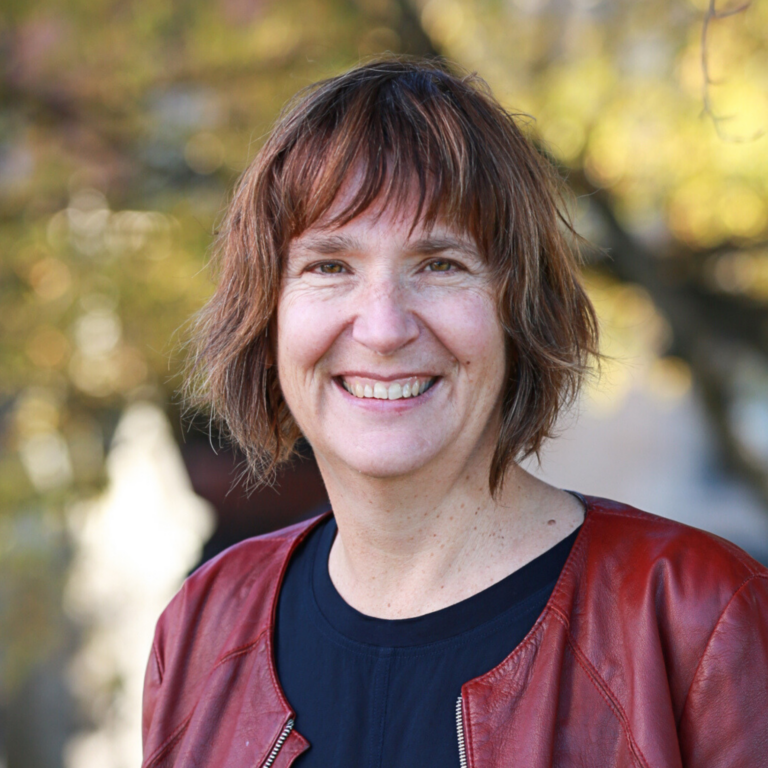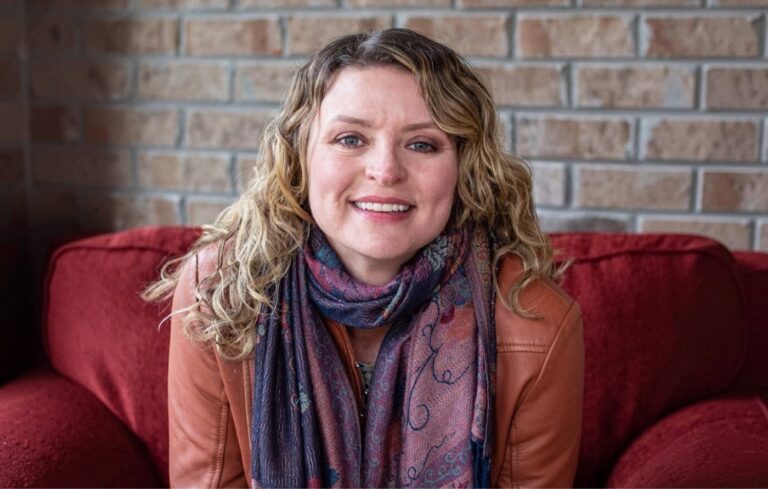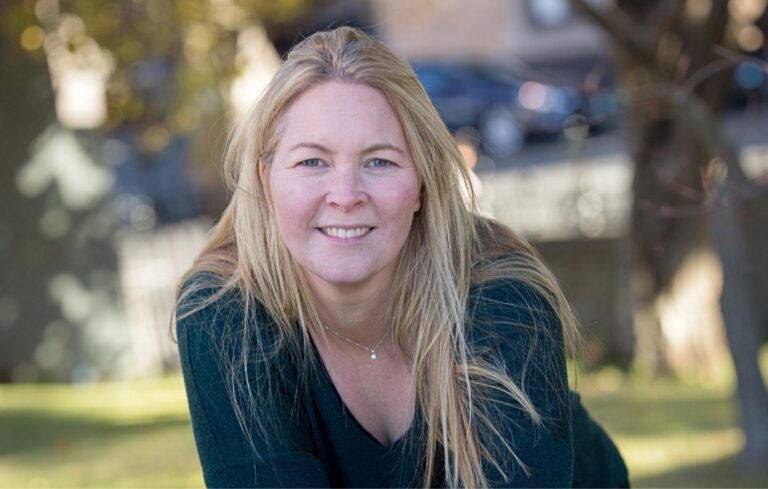

Ray is the AbacusBio expert on Life Cycle Assessment (LCA) – the resource-based analysis that allows standardised comparisons to be made between products from various sectors. For example, when we hear about the environmental impact of “plastic bags versus reusable cotton totes” or “plant protein versus animal protein”, an LCA has most likely been used to underpin the statement. Ray joined the company in February 2026 – six years after an AbacusBio presentation triggered her decision to specialise in LCA consulting.
Q: Tell us about your background, before you joined AbacusBio.
A: I spent my childhood in Singapore, where farms were an uncommon sight in the urban landscape. It was only after moving to Whakatane as a kid that I truly discovered the agricultural sector.
The differences I experienced in cultures, and connection to food systems and our environment – both built and natural – created a curiosity which led me begin studying environmental science and international business at Massey University.
My path through university moved on to technology and renewable energy systems, as I wanted more knowledge around the big role that energy plays in the security of food production. I learned about the concept of ‘Life Cycle Assessments’ and was hooked.
I completed my Master of Business Studies with a thesis on the LCA of sheep milk and became a farm advisor in 2018. I worked in environmental and sustainability consulting across the agricultural value chain. Projects spanned GHG mitigation, integrated land-use and carbon management, and resource use efficiency.
Before starting at AbacusBio, I worked in Rome for six months as a consultant to the FAO*, supporting the development of its livestock environmental assessment tool and working on a project looking at the circularity of nutrients in agroecosystems with smallholders located across Kenya and Uganda.
Q: What is Life Cycle Assessment?
A: It’s a resource-based analysis that started off in the manufacturing industry and is now applied across a variety of sectors. Comparing apples and oranges is a challenge, but LCA provides a standardised approach that helps us compare the true environmental performance of a product or service being delivered.
Q: How did you come to become involved in LCA work?
A: I did a university paper which included a lecture on LCA. I then chatted with my lecturer who milked dairy sheep and led the ‘Ewe can Dairy’ research group. I realised at that time there were no studies comparing the environmental performance of sheep milk produced in New Zealand, versus cow milk and goat milk. I pitched the idea at a sheep milk conference to find our case-study farm and then worked with them to develop a ‘cradle to farmgate’ LCA model for my thesis.
Q: Give an example of how you work with a client that’s new to LCA.
A: Although ISO standards give us a clear methodology for LCA, I usually start by sitting down with the client and clarifying two things:
- What are they trying to say or understand? Is the goal to produce an emissions declaration, or are they searching for low-hanging fruit to improve resource-use efficiency?
- What do they already have in place? That might be certifications, existing data, or work they’ve already done. Often, the data is already there and it’s just a matter of linking LCA requirements with the reporting they’re already doing.
Q: What attracted you to AbacusBio?
A: I attended an NZIPIM# event at AgResearch about six years ago and saw a presentation by AbacusBio on an Oat value chain project in Southland. It was the spark for me to specialise in LCA and supply chains with my consulting work.
Q: Is AbacusBio what you anticipated?
A: Yes and more. I didn’t fully realise the full breadth and extent of projects, geographical regions and communities that we work with. It’s exciting to be in a team that operates across the globe, with individuals who bring their own experiences and cultures.
Q: Describe your role at AbacusBio.
A: I work on projects around inventory development, analysis to support decision making on mitigation levers, and building supply chain resilience.
Q: What does a typical week look like?
A: My work is mostly desk-based and involves digging into livestock data, building models to support decision-making, and spending time with clients – the part of the job I really enjoy.
You can reach Ray at rmohan@abacusbio.com.
Keep up to date with AbacusBio news, by subscribing to our newsletter HERE and following us on LinkedIn, Facebook and Bluesky