Research and insights for your agribusiness

What’s really behind a footprint? Life cycle assessment and supply chain traceability

Life cycle assessment (LCA) is a structured way to understand the environmental impacts of a product or service across its life cycle. In this short white paper, we explain what an LCA can tell you, where its limits are, and why linking it with supply chain traceability can make the results more useful.

Is the world heading for a robusta shortage? The case for global robusta breeding
Robusta now makes up 44% of the world's coffee, but supply is concentrated in a handful of countries and research investment is low. Our white paper for World Coffee Research forecasts a likely shortfall by 2040 and sets out the case for a global, collaborative breeding effort.
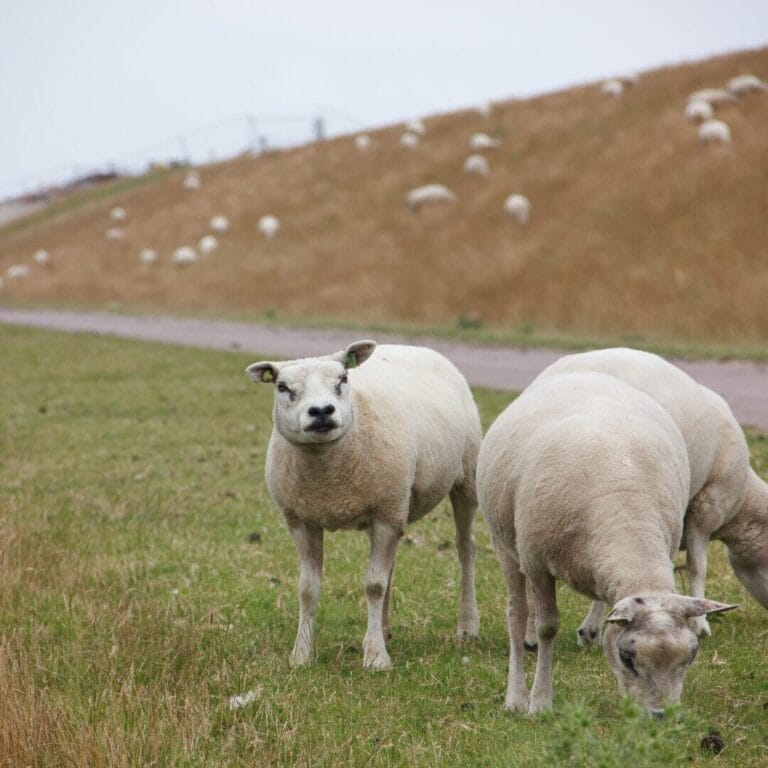
What could better breeding be worth to UK sheep and beef? A 10-year vision for genetic improvement
Defra and AHDB want genetics to do more for the profitability and climate goals of UK sheep and beef. We quantified the gains so far, modelled what is possible, compared four future programme options and costed a national phenotype and genotype collection programme.

What do New Zealand beef farmers want from genetics? Trait priorities and views on genetic tools
New Zealand's beef industry is building its own genetic evaluation. We surveyed more than 400 farmers and industry people to find out which traits they value, how they use genetic tools, and what they want from selection indexes.
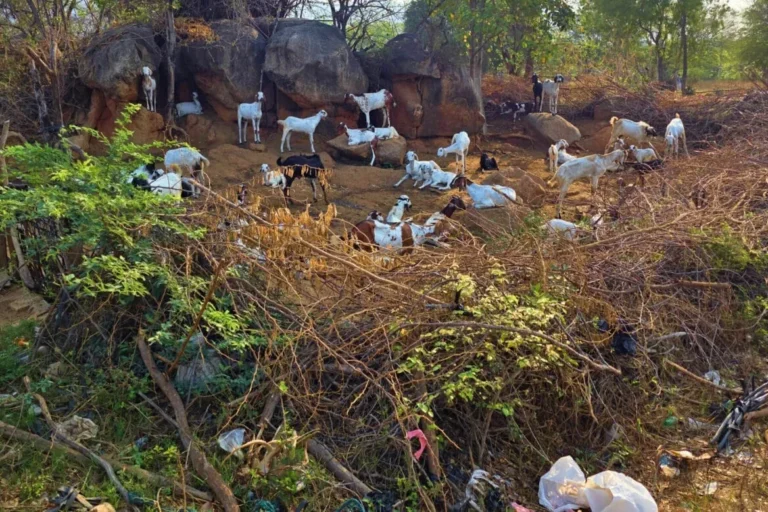
What happens when breeding records move from herd books to tablets? DTreo in Ethiopia’s community-based sheep and goat breeding
Community-based sheep and goat breeding in Ethiopia relied on paper herd books, which slowed feedback to farmers. This ICARDA-led brief shows how researchers adopted DTreo, AbacusBio's cloud-based genetic database, to capture data offline and send animal rankings back to communities faster.
How should GIFT tilapia reach Nigerian farmers? A business plan for genetically improved farmed tilapia in Nigeria
WorldFish wanted to bring its GIFT tilapia genetics to Nigeria in a way that reaches smallholders and helps fund the breeding program. We sized the market, compared seven commercial models and modelled 20 years of royalties.
Potential impacts of allowing genetically modified maize production and imports in India
This report examines the potential consequences—both positive and negative—of allowing genetically modified (GM) maize production and imports in India.