Research and insights for your agribusiness
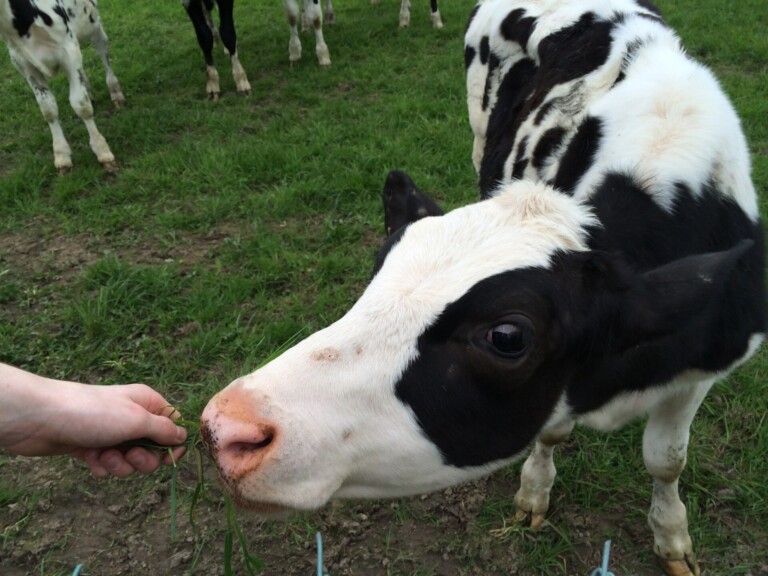
When plant and animal breeding converge
The opportunity to study a plant or animal’s complete genome began about 50 years ago, with the advent of DNA sequencing. Today, “genomics” is mainstream, thanks to the speed and affordability of SNP genotyping and sequencing. This has accelerated our ability to identify, track and select favourable mutations. For animals, genomic testing provides more accurate…
The brave brain bunch

In 2001, in the small New Zealand city of Dunedin, four brave brains leave the security of paid employment, step into the wild, and build something special: AbacusBio. Today, AbacusBio provides agriscience services to clients from more than 30 countries. We have 56 people, based in seven countries, representing around 15 nationalities. Our youngest employee…
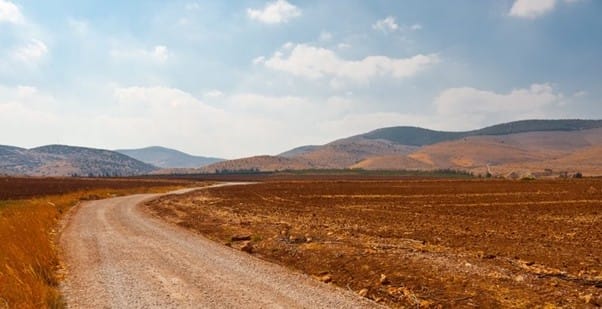
Food security in a conflicted world

The conflict in the Middle East has been dominating our news feeds for two months, but the full impact of global energy shortages is only beginning. Every international and most domestic supply chains are affected by higher energy and other input costs, as well as logistical challenges. AbacusBio International Managing Director Tim Byrne says that…
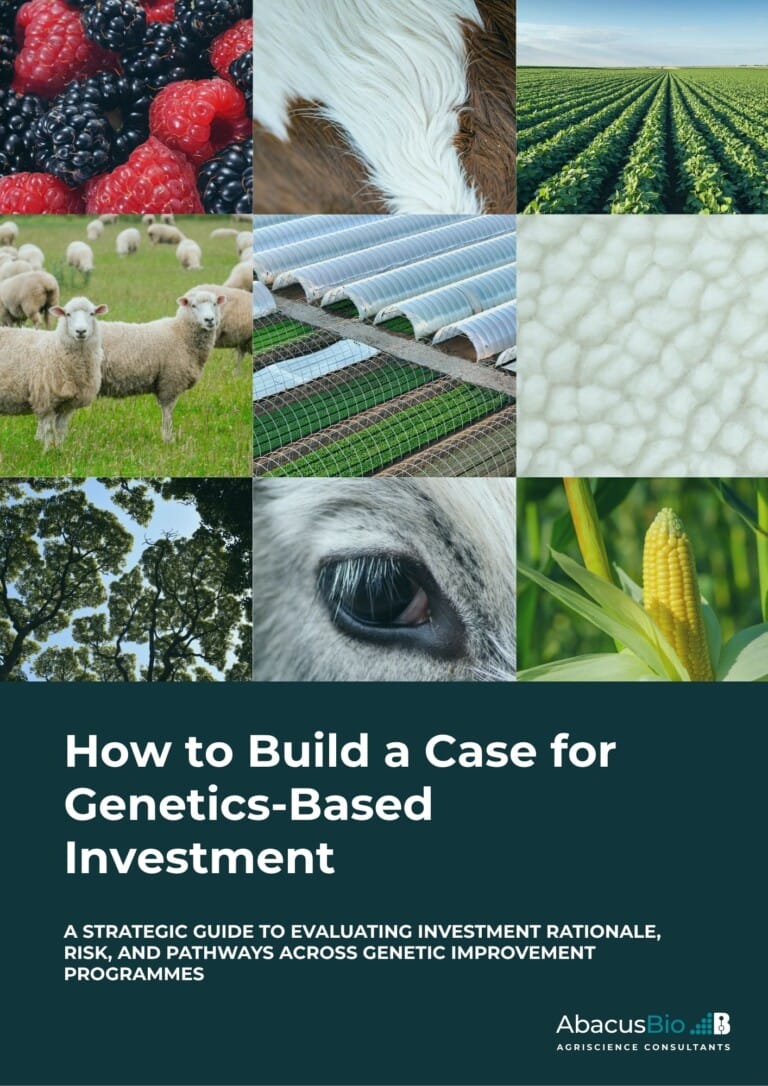
Build a stronger case for genetics-based investment

A strategic guide to evaluating value, risk, and long-term impact across genetic improvement programmes. Genetics programmes offer some of the most enduring gains in agriculture but translating scientific potential into actionable investment decisions remains a critical challenge. Not because the science isn’t sound, but because the value is difficult to frame, measure, and communicate within…
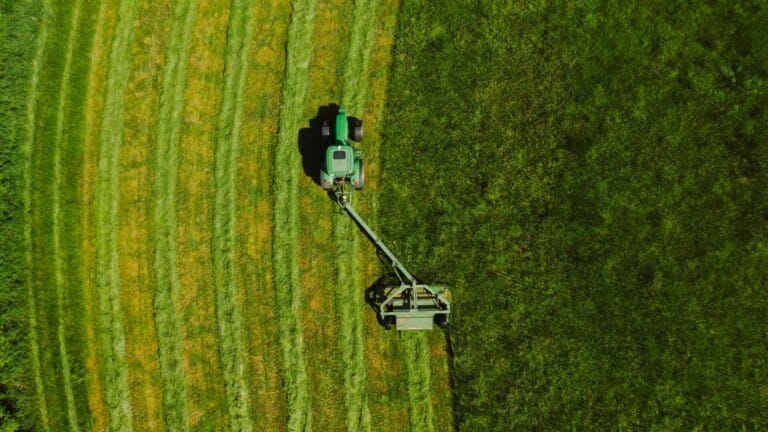
Breeding sustainability into plants and animals

Caeli Richardson, Kathryn Grant and AbacusBio Sustainability Working Action Group As agriculture faces increasing pressure to reduce its environmental footprint, the role of genetics in sustainability is gaining attention. But not all biology is created equal. Photosynthesis vs respiration Plants and animals produce energy differently. Plants use photosynthesis, capturing carbon dioxide and sunlight, to grow.…
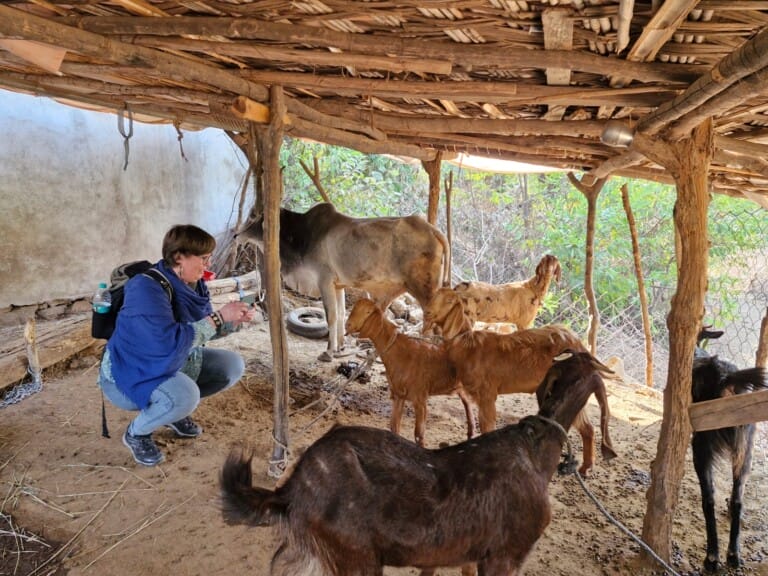
Q+A: Anouk Schurink – CBBPs and DTreo

If the world had been a slightly different place, New Zealand would be Anouk Schurink’s home now. It was April 2020 in The Netherlands, and she had sold most of her household items, had completed the lease on her flat, her flights were booked and her visa had been granted. Her new role with AbacusBio…
Digital Phenotyping and the Future of Breeding
A New Era of Data-Driven Decision Making Digital phenotyping is emerging as a transformative tool in agriculture and horticulture. By collecting and analysing observable traits through digital imagery and synthetic datasets, this approach enables more accurate and informed decisions across breeding and crop management programmes. Complementary Expertise: AbacusBio and Synetic AI AbacusBio sees strong potential…
Q+A: Carbon Calculators
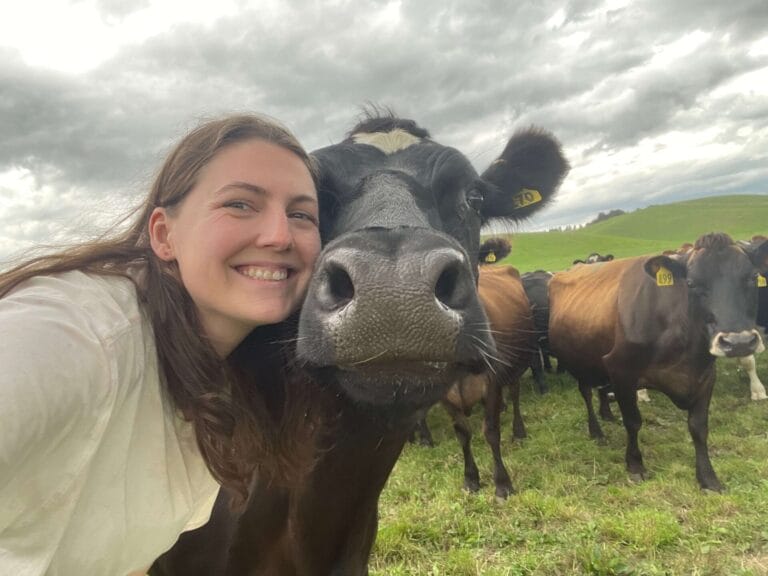
AbacusBio is working to ensure that genetics is accurately represented in carbon calculators, particularly in calculating methane emissions from ruminants. This would allow farmers to account for genetic variability between animals and be incentivised for using genetic selection as a mitigation strategy – without compromising overall productivity.
Sheep and beef farms, the answer to the dairy farm feed buffer
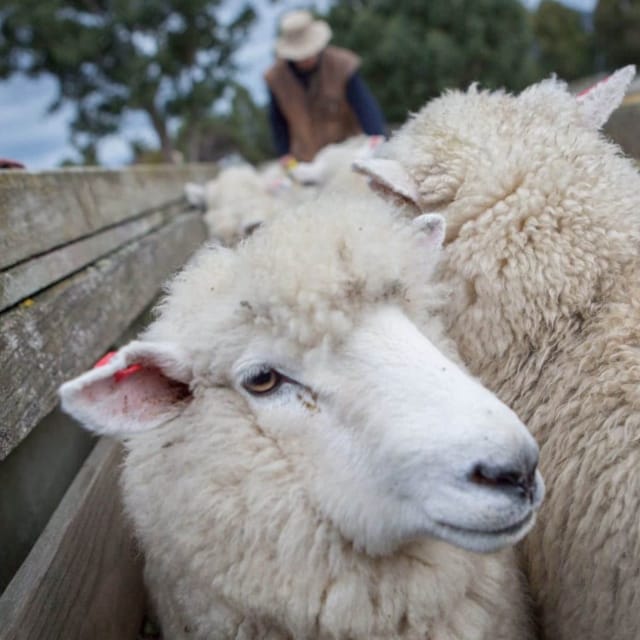
Buffering New Zealand’s agricultural sector against seasonal variability, rainfall deficits, and downpours is becoming increasingly important, and the sheep and beef sector may be the solution. This is the thought pattern of AbacusBio’s farm consultant Simon Glennie, who said as climate variability continues, the requirement for dairy farmers to have a buffer for annual feed…
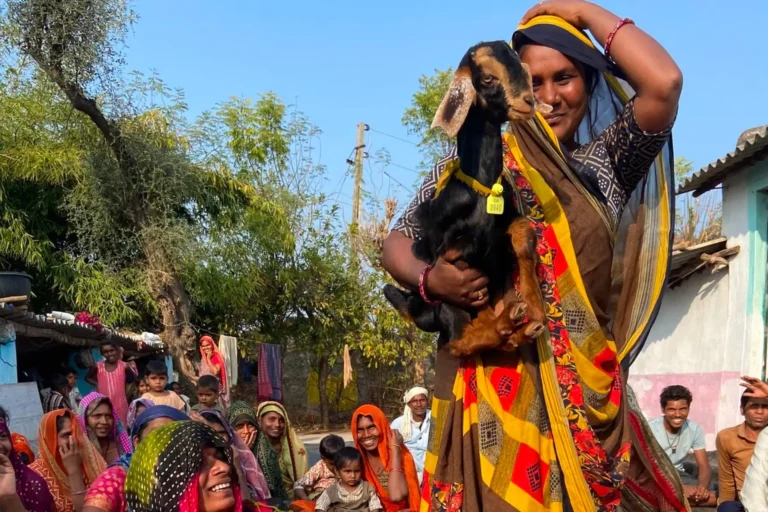
Managing genetics for the greater good of agriculture and communities

How to drive genetic gain with no well-trained geneticists, no national database and minimal business infrastructure is a question that makes Peter Amer scratch his head. A recent visit to India and Indonesia created more questions than answers, but it was what he described as a trip of a lifetime and his career highlight to…