Featured Services
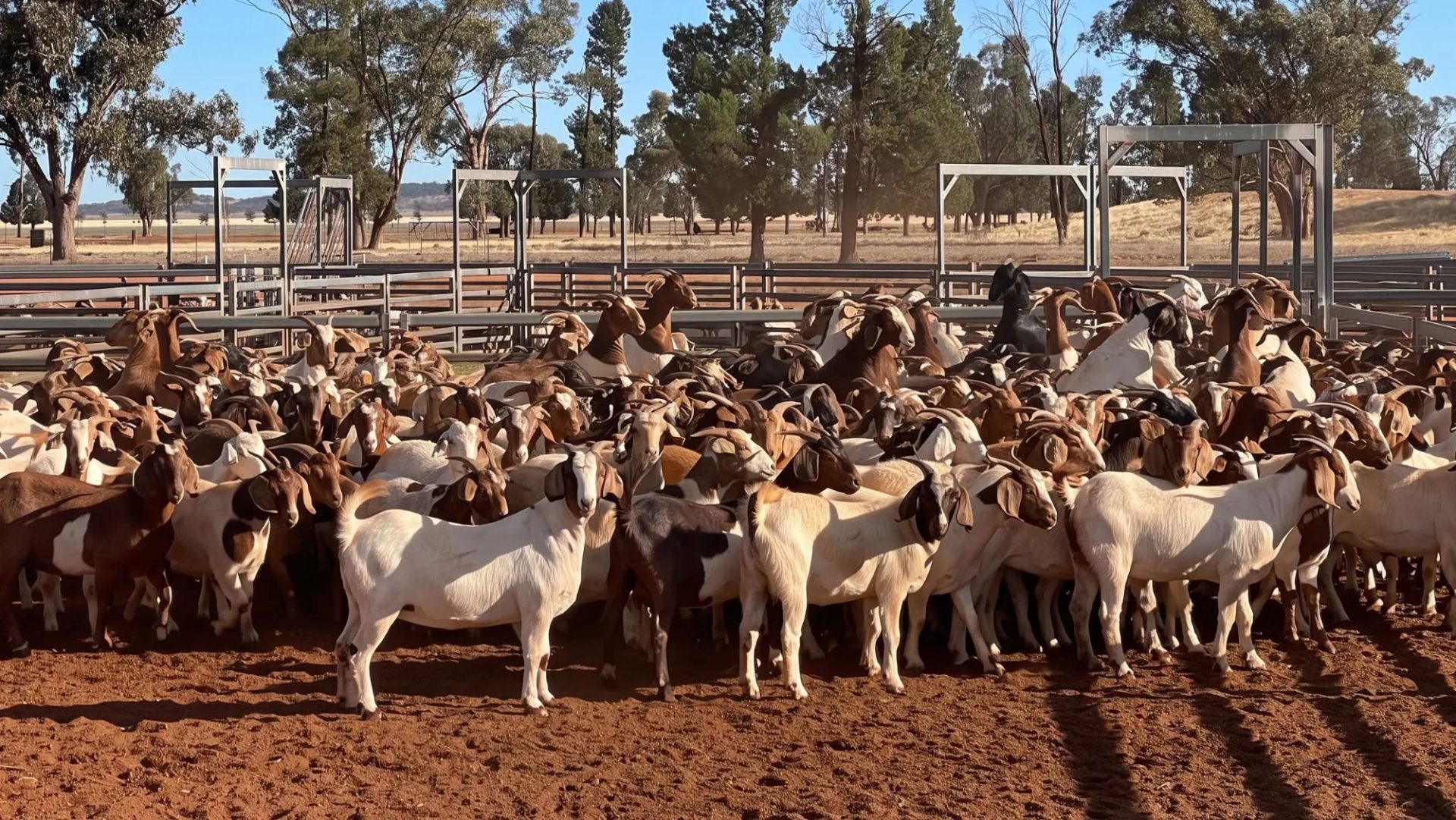
Mandatory electronic identification devices (eID) in Australian sheep and goats was implemented in January 2025. From January 2027, farmed goats (irrespective of age) must have an approved eID device fitted before leaving their property of birth. Previous to this, sheep and goats were only required to have mob-based traceability.
Overseen by the National Livestock Identification System (NLIS), the initiative was driven by both supply chain traceability and management of emergency animal disease outbreak.
Challenge: Quantifying the retention rate of eID devices
With the requirement to use eID devices in their animals, Australian goat producers have had to invest in eID devices, device readers, and other infrastructure. Anecdotal rates of lost or non-functioning eID devices in goats have been reported to be as high as 20%, incurring additional cost and inconvenience.
Device loss is generally due to poor application (placement and/or hygiene) and environmental conditions, such as snagging on fences or shrubbery.
The Australian Government Department of Agriculture, Fisheries and Forestry (DAFF) provided grant funding for producer levy funded Meat & Livestock Australia (MLA) to quantify rates of eID device loss in Australian farmed goats and identify management strategies to maximise device retention. MLA commissioned AbacusBio to carry out the work.
How AbacusBio added value
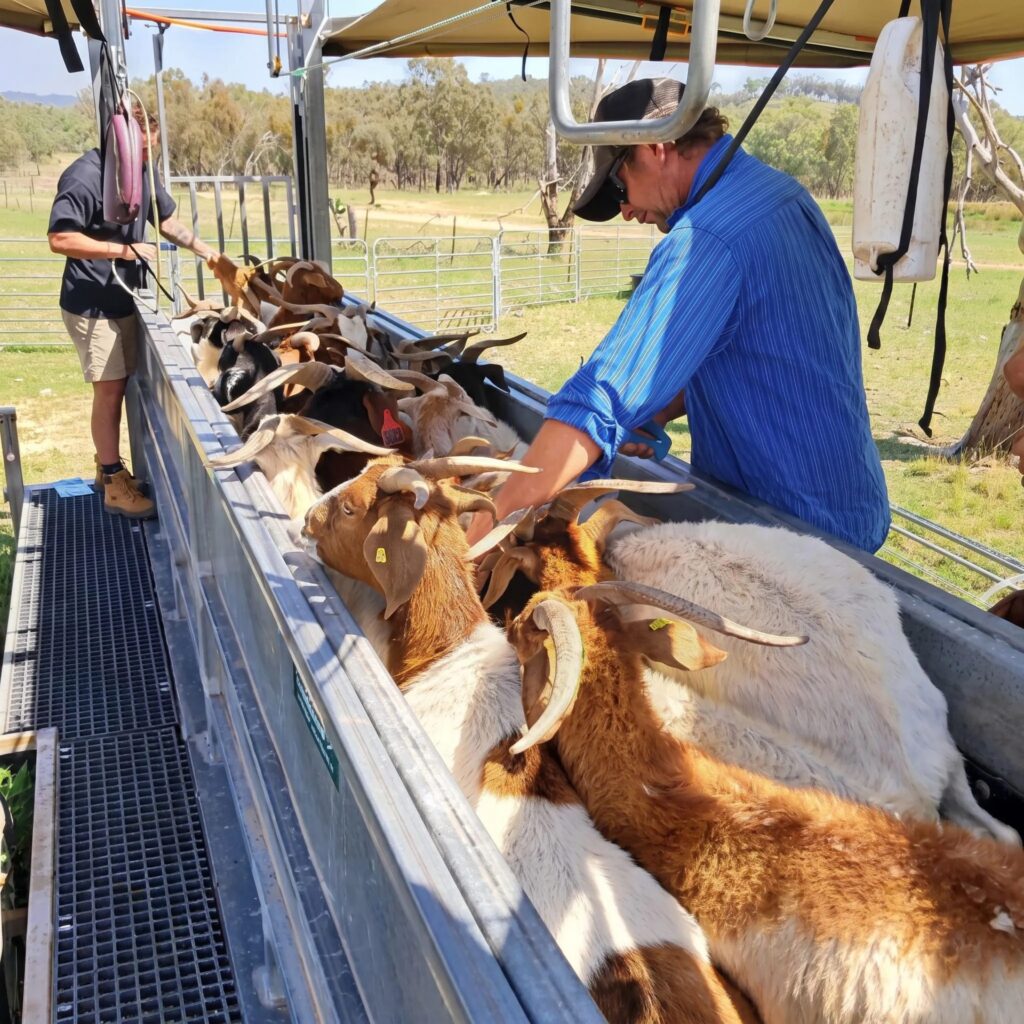
Data was drawn from 14 farms across Queensland, New South Wales, and South Australia. The farms included different goat breeds, production systems, environments, and management practices. Using a standardised data collection protocol, 8904 goats were assessed for device placement, farm characteristics and device retention.
AbacusBio specifically managed:
- Industry stakeholder consultation
- Developing and implementing methodology to ensure high quality data collection
- Data analysis
- Disseminating key findings into industry communication resources
What the data revealed
Overall eID retention was high. Only 1.8% of devices were classified as missing, broken or non-functional. Of the 1.8% of losses:
- 56% were due to devices being ripped out
- 30% were non-functional devices
Device placement in the ear was the main factor influencing retention.
Project outcomes
The study concluded that device loss is negligible, if producers use best-practice application procedures.
Consequently, extension resources focus on these application procedures. To date, a technical report, best practice guide and live demonstrations have been produced.
Meet the consultants
 Claire Payne, PhD
 Sam Harburg BAgrSc MBA
More information
MLA news story: Lessons from goat eID retention project (3 March 2026)