Featured Services
AbacusBio’s decision-support tool DTreo is supercharging an already effective programme of community empowerment in some of the world’s poorest countries.
Background: Community-driven genetic improvement
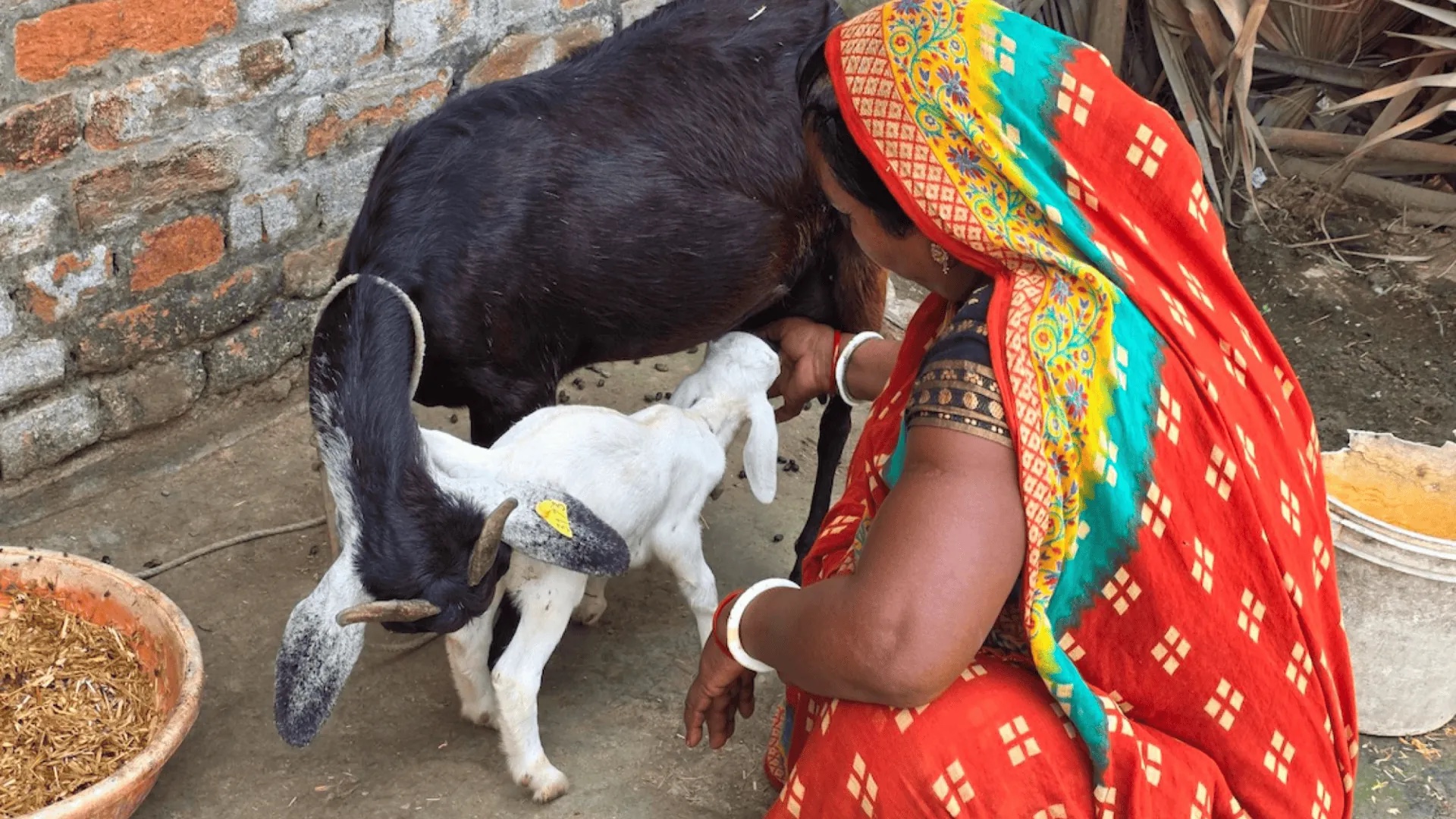
Community-based breeding programs (CBBP) are based on promoting the principles of genetic improvement to smallholders, which are normally low-income households with small flocks of sheep and/or goats.
The most influential implementation of the modern CBBP model began in Ethiopia in 2009. The International Center for Agricultural Research in the Dry Areas (ICARDA)* began working with the International Livestock Research Institute (ILRI), Austria’s University of Natural Resources and Life Sciences (BOKU) and the Ethiopian National Agricultural Research System (NARS). The collaboration worked closely with local communities, establishing CBBPs for indigenous sheep breed populations, including Bonga, Horro and Menz.
There are now CBBPs across Ethiopia, Burkina Faso, Liberia, Malawi, Mali, South Africa, Sudan, Tanzania, Tunisia, and Uganda, as well as India, Pakistan and Mongolia.
Through the programme, smallholders, researchers and technicians are introduced to the power that comes from using livestock performance records to make breeding decisions. If the community is keen and committed, ICARDA and country-specific collaborators then help the community plan, implement and “own” their programme.
Over time and at minimal cost, the smallholders experience the benefits of increased productivity and profitability that result from data collection and educated decision making around breeding selections.
In Ethiopia, more than 7000 households benefit from CBBPs, with household incomes increasing by an average of 20%, directly related to improved livestock productivity.
How AbacusBio is adding value
AbacusBio became an ICARDA partner in 2018, making available the cloud-based DTreo tool. At that point, the CBBPs were predominantly in Ethiopia and Tanzania, with other countries coming on board.
CBBP communities immediately grasped DTreo’s effectiveness, its data input efficiencies, and the power of its analytics and results.
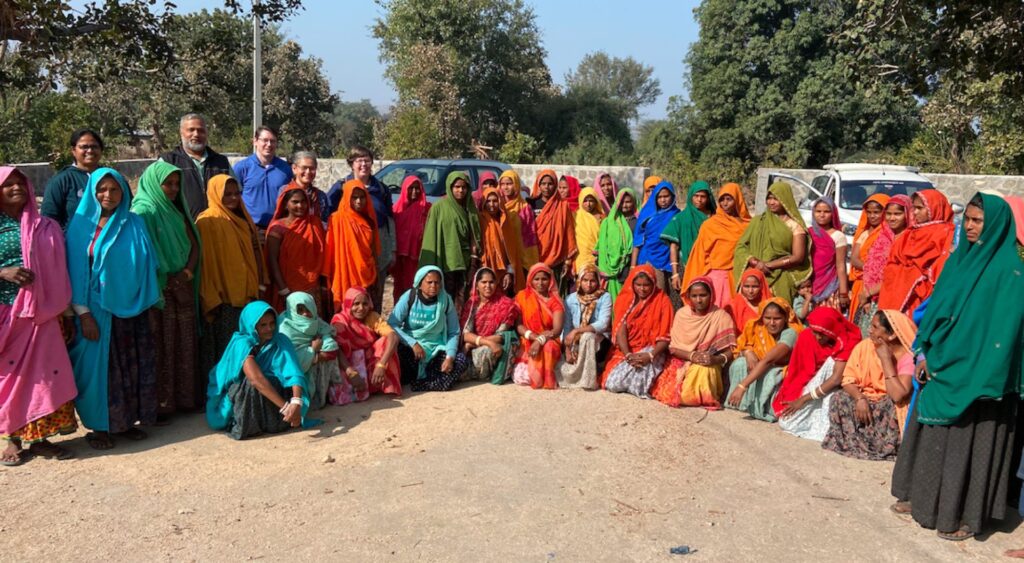
By 2026, there are about 150 CBBP locations across 10 countries – all using DTreo. That translates to about 191,000 animals with performance records and more than 9850 households experiencing the 20% average lift in income.
Project outcomes
The CBBPs are so successful that, in Ethiopia, India, Pakistan and other countries, various combinations of government, regional authorities and World Bank loans are investing in upscaling the programmes.
Farmers have created more than 50 formal breeders’ cooperatives and built up capital by:
- Investing in better rams and bucks, and
- Using their scale and planning skills to establish better purchase and commercialisation agreements.
One cooperative in southwest Ethiopia has generated about US$96,000 of capital.
Next steps
The next steps for CBBPs involve investing in the long-term sustainability of the village breeding cooperatives by establishing formal commercial agreements with input suppliers and off-takers. For instance, identifying partner feed and animal health suppliers creates the opportunity for bulk buying at lower costs. Meanwhile, at the other end of the supply chain, selling lambs finished to specifications under contracted prices (reflecting quality, quantity and timing) to partner meat companies, traders and restaurants sets the scene for integrated value chains that will increase margins for the cooperatives and their smallholder farmers.
Reducing the environmental impact of smallholder systems is also underway. Investment from international funding organisations, such as the Global Methane Hub, is supporting initiatives to mitigate methane emissions.
*ICARDA is a non-profit international organisation that aims to improve smallholder dryland farmers’ lives by providing innovative, science-based solutions for communities across Asia, Africa and the Middle East.