Featured Services
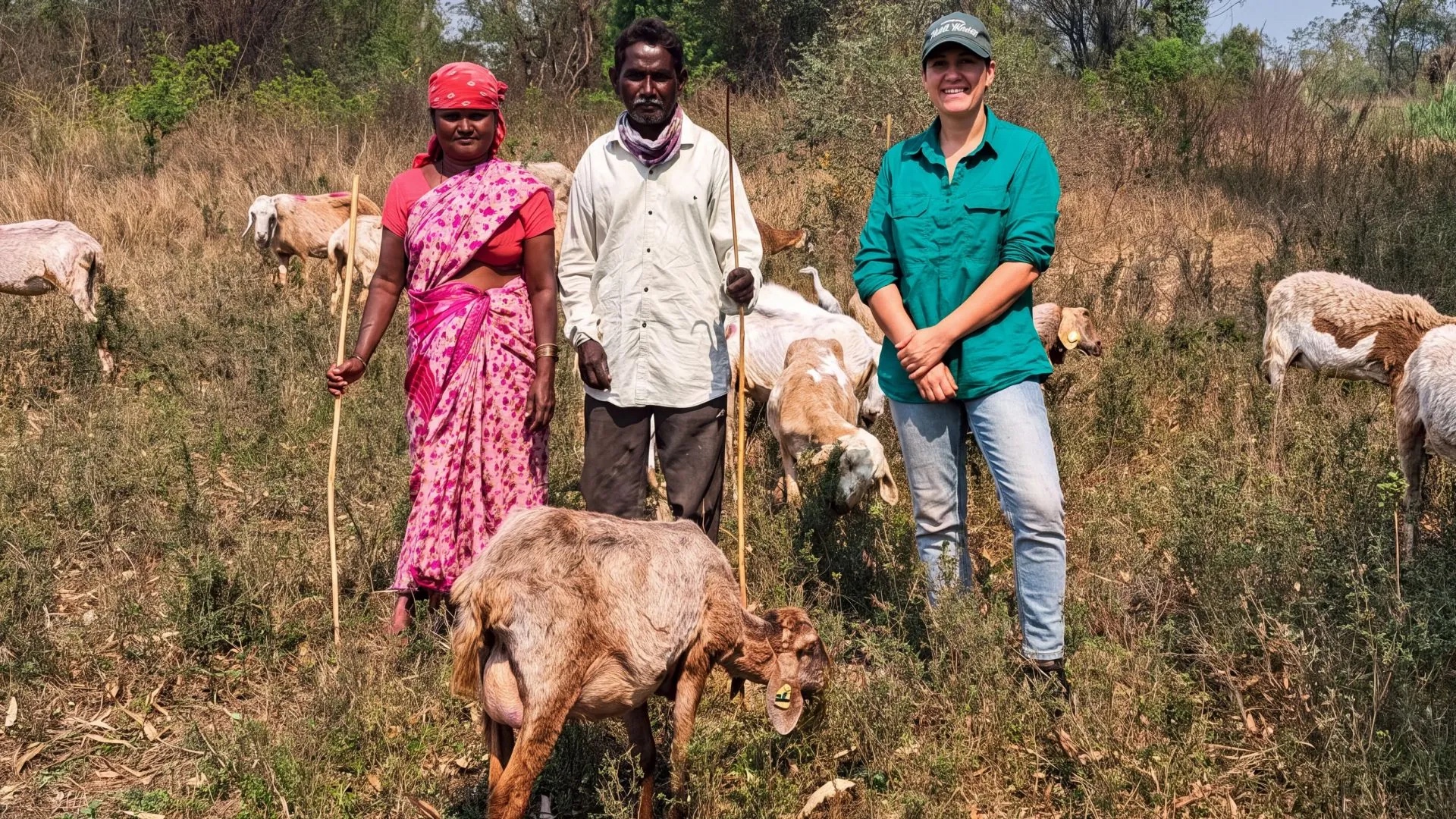
Building on eight years of work alongside the International Center for Agricultural Research in the Dry Areas (ICARDA)*, AbacusBio is collaborating on a new project exploring the introduction of low-methane genetics into small ruminant breeding decisions in developing countries.
ICARDA-led community-based breeding programs (CBBP) are central to the project. Through CBBPs, smallholders are introduced to the power that comes from using livestock performance records to make breeding decisions, which ultimately increase productivity and profit. AbacusBio’s cloud-based software DTreo provides the CBBPs with a platform for performance records, analysis and reports that inform breeding decisions. Initiated in 2009, there are now about 150 CBBPs across 10 countries.
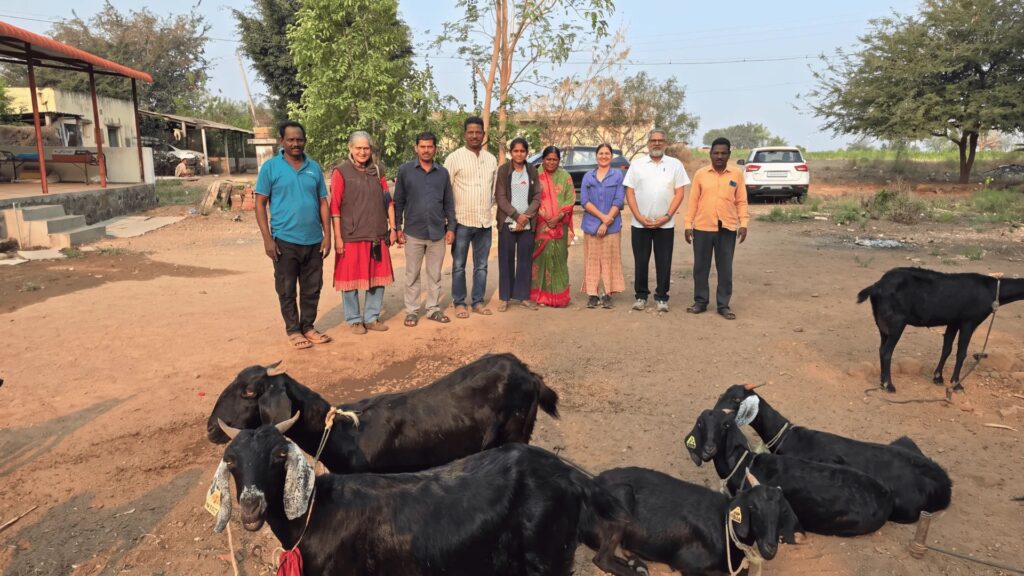
The three-year low-methane project is supported by the Global Methane Hub and began in early 2026. It is being implemented in Ethiopia, India, Mongolia and Tunisia, involving two CBBPs in each country and including both sheep and goats.
Challenge: Measuring methane emissions
The first step is developing standardised protocols for measuring methane emissions within the reality of CBBP smallholder systems, where there is limited infrastructure and resources.
How AbacusBio is adding value
The AbacusBio project team is using Australian and New Zealand emission measurement practices as a starting point for developing protocols, adapting each step to work within smallholder systems.
For each CBBP, methane emissions will be measured via two methods:
- Portable accumulation chambers
- Hand-held laser methane detectors
Using two methods and comparing the results will validate that the collected measurements are reliable and accurate.
Customised app and DTreo
AbacusBio has developed an app to support collection of low-methane measurements during the protocol development phase. The same app will also integrate the low-methane data into DTreo.
The DTreo platform itself is also critical to establishing protocols. For the methane emissions data to have maximum impact, the data must link to the animals’ genetics and other traits. DTreo enables that linkage, because it holds a wealth of information from across countries, projects and years. The low-methane project will leverage this large, high-quality database, avoiding the need to double up on work or investment.
Long-term adoption
CBBPs are generally within some of the poorest rural communities in the world, so their priorities naturally focus on improving productivity and output.
This project addresses the question: can breeding decisions deliver improved outcomes, while also reducing methane emissions?
The first step is ensuring a feasible measuring protocol – one that enables implementing reduced methane emission as an important trait in a CBBP breeding objective. When the project is complete, it will provide a viable pathway for climate-smart smallholders to move in this direction in the future.
Subsequent steps will include working with local industry to support commercial arrangements that use the emissions story to promote smallholders’ products in domestic and export markets.
*ICARDA is a non-profit international organisation that aims to improve smallholder dryland farmers’ lives by providing innovative, science-based solutions for communities across Asia, Africa and the Middle East.
Meet the consultants
 Bruno Santos PhD
 Peter Amer PhD
More information
AbacusBio case study: DTreo supercharging smallholder breeding programmes (October 2026)
AbacusBio Insights article: Q+A with Anouk Schurink – CBBPs and DTreo
AbacusBio case study: Community-based Breeding Programmes in Africa (October 2023)
ICARDA news: Advancing low-methane sheep and goat production in India (June 2026)
ICARDA news: Reducing livestock methane emissions in Mongolia (June 2026)